SS bag filter housing manufacturer in Ahmedabad should involve more than comparing polished vessels and prices. The housing must safely contain the process, accept the correct bag, distribute liquid evenly, and allow practical maintenance. Fluid chemistry, viscosity, solids load, flow, pressure, temperature, seal material, and connection standard all influence the result. Parth Engineering’s published industrial filtration range includes SS bag filter housing solutions for application-based enquiries. This guide explains how the equipment works, what buyers should specify, and how to compare quotations without relying on vague quality claims, copied specifications, or an attractive price that hides operating compromises.
Direct Answer
Choose an SS bag filter housing by matching fluid compatibility, peak flow, solids load, micron target, pressure, temperature, bag interface, seals, and connections. Confirm installation clearance, closure safety, differential-pressure monitoring, and documentation before ordering. Send Parth Engineering a duty sheet so the proposed housing and bag form one filtration assembly.
What Is an SS Bag Filter Housing?
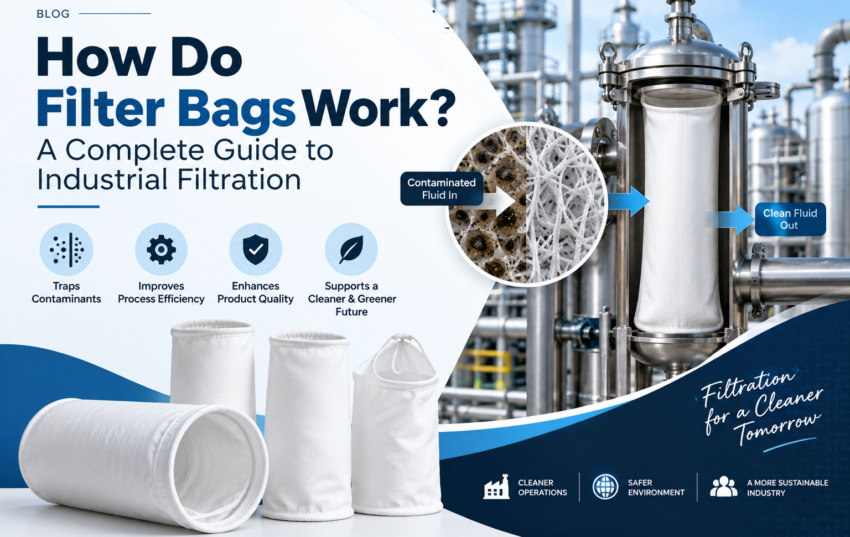
An industrial bag filter housing is a pressure-containing vessel that holds a replaceable filter bag inside a supporting basket. Liquid crosses the bag, leaving suspended solids behind. The basket supports the bag against differential pressure, while the seal limits bypass around its opening.
The term SS bag filter often describes the stainless housing assembly, not always a stainless bag. The disposable or reusable bag may use polymer felt, woven mesh, or another compatible medium. Metal-mesh elements are a separate option. Clear terminology prevents incorrect quotations.
A stainless steel bag filter housing can provide corrosion resistance, cleanable surfaces, and durable construction when its grade and finish suit the process. Those benefits are conditional: stainless grade, gasket, weld treatment, surface finish, and cleaning chemicals must be reviewed together. Parth Engineering operates from Ahmedabad, Gujarat, and lists SS bag filter housing within its industrial filter-housing range. Final configuration requires confirmed industrial application data.
How to Select an SS Bag Filter Housing
Match the Housing to the Process Fluid
Start by describing the liquid accurately. Provide its name, composition, concentration, pH, viscosity, density, and any solvents, chlorides, or oxidisers. Include normal and maximum temperature, plus cleaning or sterilisation conditions. Compatibility can change sharply with concentration or temperature, so “water” or “chemical” is insufficient.
Identify process-contact surfaces. Body, basket, inlet, outlet, vent, drain, instruments, seals and bag hardware may use different materials. Request a wetted-parts list instead of assuming visible components match the shell.
An SS 304 bag filter housing may suit many general services, while an SS 316 bag filter housing may be considered where chemistry requires different corrosion performance. Neither grade proves universal suitability. Review fluid data, temperature, contamination limits, and cleaning agents.
Purity-sensitive service may require defined finish, drainability, crevice control and records. Where regulated product-contact rules apply, identify them before design. The eCFR principle for covered pharmaceutical operations requires contact surfaces that do not react with, add to, or absorb product in ways that alter required quality. This MATCH check protects equipment life and process integrity.
Step 2: Assess Flow, Solids Load and Filtration Target
Quantify the duty. State normal and peak flow, operating schedule, viscosity at filtration temperature, solids concentration, and particle behaviour. Soft or gelatinous material can blind media differently from hard particles. For batch or seasonal processes, provide the worst credible load instead of an average.
Define the required result measurably. “Clear liquid” is subjective. Specify micron rating and whether it is nominal or absolute, a downstream particle limit, equipment-protection goal or quality test. If the bag is a prefilter, identify the equipment it protects.
Provide inlet pressure, required outlet pressure, and permitted clean and dirty differential pressure. A small liquid bag filter housing may connect yet restrict output. Excessive oversizing can raise hold-up volume, footprint, cleaning effort, and capital cost.
A single bag filter housing can suit moderate duty. A multi-bag filter housing offers more area for greater flow, load, or runtime, but distribution and service access need review. Ask for the sizing basis, assumed viscosity, initial pressure drop, and changeout trigger. These details make quotations comparable and maintenance predictable.
Test Pressure, Temperature and Mechanical Requirements
Separate operating conditions from design limits. List minimum, normal and maximum pressure and temperature, including pump shutoff, blocked outlet, surge, water hammer, vacuum, thermal expansion and cleaning cases where credible. The housing, closure, seals, instruments and piping must suit this envelope.
Never copy a pressure rating from a catalog. Allowable conditions depend on material, thickness, temperature, connection class, closure and design rules. Ask which code or engineering basis applies, what inspection is included, and how pressure testing is recorded. Do not infer certification or a code stamp from appearance.
Specify connection size, type, standard, rating, and orientation. Define vent, drain, gauge, and differential-pressure tapping needs. Confirm flow direction against the pipe layout. A sound vessel becomes costly when adapters or rework appear during installation.
Operators need space to open the closure, lift the basket, and remove a wet bag. Consider lid weight, hinge or davit, platform access, and drainage route. Review supports and loads where applicable. This check protects safety and fit-up without promising one universal rating for every application.
Confirm the Bag, Basket, Seal and Closure Interface
Treat housing and bags as one system. Confirm bag size, diameter, length, ring or collar style, seam, media, micron rating, and operating limits. The support basket must fit, provide open area, and resist deformation. Poor fit can cause folds, abrasion, restriction, or bypass.
Choose elastomer from fluid and temperature. Check where the bag collar seals and how the closure compresses its gasket. A vessel cannot filter consistently if liquid travels around the media.
Closure affects changeout speed and safety. Review the arrangement against pressure, temperature, access, and site procedures. Confirm venting and draining before opening. Operators must not loosen a closure until isolation and zero pressure are verified.
Felt supports depth capture; woven mesh provides defined openings for surface screening. Consider chemistry, fibre release, cleanability and disposal. Where outlet quality is critical, agree the rating definition and test method.
Request a drawing showing bag, basket, seals, nozzles, closure, supports and removal height. This approval distinguishes a filter bag housing specification from a generic vessel and removes costly assumptions before manufacture.
Handle Documentation, Maintenance and Supplier Evaluation
Send one structured enquiry to every supplier. Include fluid, chemistry, flow, viscosity, solids, micron target, pressure, temperature, bag details, materials, seals, connections, finish, quantity, orientation and required records. Require marked deviations. Complete responses outperform fast, assumption-based quotations.
Documentation depends on duty and plant standards. It may include an approved drawing, datasheet, material records, inspection plan, dimensional report, pressure-test record, finish report, operating instructions and spares list. Agree scope before ordering.
Plan lifecycle needs. Confirm bag availability, gasket identification, basket inspection, cleaning method, differential-pressure limits and spares. Compare changeout labour, product loss, disposal, downtime and cleaning demand. These factors may outweigh the initial bag filter housing price.
Buyers seeking a bag filter housing manufacturer & Supplier in Ahmedabad, Gujarat should verify capability against the configuration, not location alone. Parth Engineering’s Ahmedabad presence and filtration range support direct local enquiries, while suitability requires technical confirmation.
Review offered duty, materials, ratings, exclusions, tests, documents, and drawings before release. This MATCH check creates a traceable agreement and reduces commissioning surprises.
SS Bag Filter Housing Configurations and Applications
Use this comparison to shortlist an arrangement; confirm every choice against process conditions.
| Configuration | Useful starting point | Confirm before selection |
| Single-bag housing | Moderate flow or point-of-use filtration | Bag size, runtime and removal clearance |
| Multi-bag housing | Higher flow, load or filtration area | Distribution, footprint and changeout method |
| Duty-and-standby arrangement | Processes needing filtration continuity | Isolation, switching and safe maintenance procedure |
| Basket or staged prefilter | Coarser solids before finer filtration | Open area, retention level and cleaning frequency |
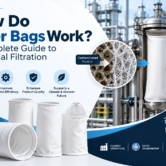
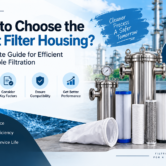
Enquiries involve processed water, oils, coolants, chemicals, coatings and other industrial liquids. Application names alone do not determine suitability; composition, viscosity and contaminant behaviour remain decisive. Parth Engineering can review a proposed bag filter vessel within the wider liquid filtration system. For educational support, link to how filter bags work. For broader equipment comparison, link to how to choose the right filter housing. These internal resources help buyers move from research to a quote-ready specification.
Common SS Bag Filter Housing Buying Mistakes
One mistake is requesting an “SS filter” without distinguishing the housing, basket, and bag. Another is choosing stainless grade from habit rather than fluid compatibility. Buyers compare nominal port size while ignoring viscosity, bag area, solids load, and differential pressure.
Copied ratings create risk when temperature, closure or construction differs. An incorrect bag collar or damaged basket can allow bypass even when the vessel is sound. Teams may overlook vents, drains, lid clearance, or safe isolation—some request a sanitary finish without defining the surface or cleaning requirement.
The lowest quote may exclude gauges, supports, testing, documents, or spares. Compare scope and operating cost. Approve the datasheet and drawing before manufacture, then follow safety procedures during installation and every bag change.
Frequently Asked Questions
1. Is an SS bag filter the same as a stainless filter bag?
Usually, SS bag filter refers to a stainless housing containing a non-metallic filter bag. A stainless mesh element is different. Confirm housing material, bag media, basket construction, and seal separately so procurement language cannot create an interface error during procurement.
2. Which stainless grade should I choose?
Choose based on fluid chemistry, concentration, temperature, cleaning agents, contamination limits, and expected life. No grade is universally best. Provide complete process data and request written confirmation of every wetted material before approving the offered construction for the complete operating envelope.
3. How is bag-filter housing size calculated?
Sizing considers peak flow, viscosity, filtration temperature, solids load, bag area, media permeability, and acceptable differential pressure. Connection size alone is insufficient. Ask for the calculation basis and expected clean pressure drop under your stated operating conditions and runtime expectations.
4. What determines an SS bag filter housing quotation?
Price depends on material grade, size, bag count, design conditions, connections, closure, finish, supports, instruments, testing, documents, and quantity. Compare technical scope first; a lower quotation may exclude components or records required for installation and affect the final commercial quotation.
5. What should I send to Parth Engineering for selection?
Send fluid composition, flow, viscosity, solids details, micron target, pressure, temperature, bag preference, materials, seals, connections, finish, orientation, quantity, and document requirements. Include drawings, photographs, and plant standards when replacing existing equipment so the proposed configuration can be reviewed accurately.
Conclusion
Parth Engineering provides an Ahmedabad, Gujarat Contact today for buyers seeking an SS bag filter housing manufacturer in Ahmedabad. Share a duty sheet, compare the confirmed scope, and approve the drawing before production.